1900 (roughly) – Cecil avenue allotments are born
The land is gifted to Bradford Council for allotments by the wealthy Yorkshire landowner and politician Sir Francis Sharp-Powell who lived from 1827 to 1911.
1957 – A thriving allotment community
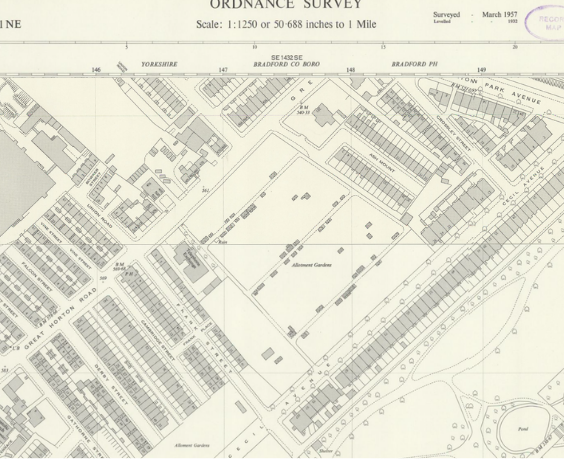
For a long time, the allotments are home to a thriving community of plot holders. Evidence of this can be seen on the 1957 OS map, below, which includes nearly 50 greenhouses. Today there are no greenhouses left, unfortunately, and we regularly find the smashed up remnants, most of which we’ve removed, often from deep beneath the soil. The site, only a mile from the city centre, is in a densely populated area of terraced streets.
2000 – Plot holders fight off redevelopment
Plot usage slowly declines and the site falls into the crosshairs of the council’s Unitary Development Plan for housing. The remaining plot holders band together and ensure this vital urban green space escapes redevelopment. Bradford’s historic 1in12 Club published this article about the episode. The club had it’s own allotments there run by a group called The Peasant’s Collective from 1995 until around 2010.
2005 – A site in decline
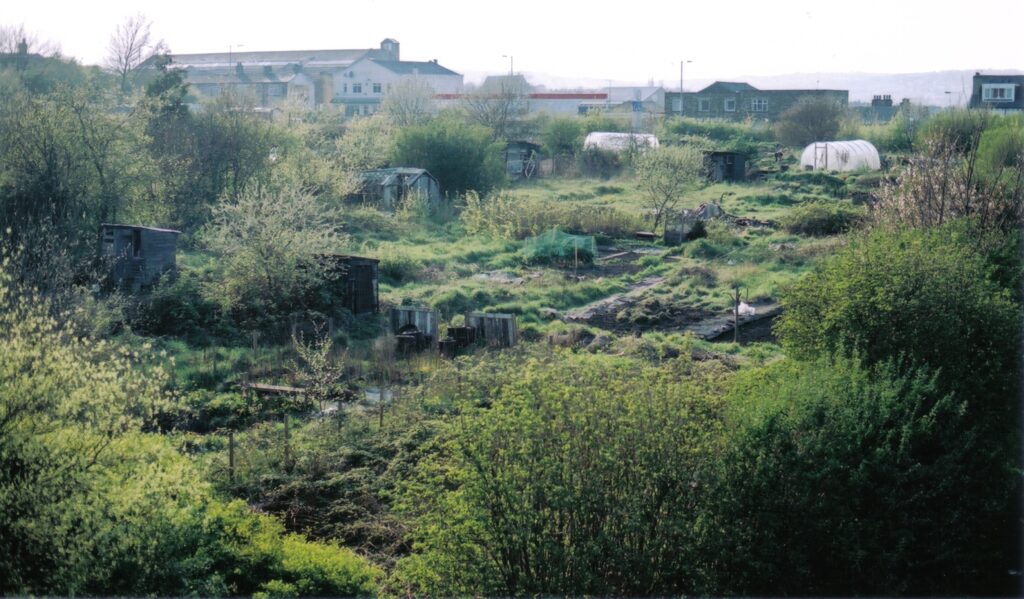
By 2005 despite being deep into a long, slow period of decline, quite a few plots are still in use. You can see what a peaceful haven it is in the photo below, part of a wonderful 2005 series by Mark O’Shea (a former Cecil Avenue resident), that provides a valuable snapshot of the characters that found and nurtured their own little oases in the city.
2006 – The seeds of recovery are sown
The Common Garden is formed which is a small, early precursor to HCF. It’s a group project on a handful of allotment plots created by a volunteer on an EU scheme with Bradford Environmental Education Service (BEES), the oldest environmental group in Bradford. This project winds down after a year but 3 of the plots are retained by a resident of Cecil Avenue who, aside from this, also helps to form a new group called…
2008 – ‘Transition Bradford’ – The group that becomes hcf
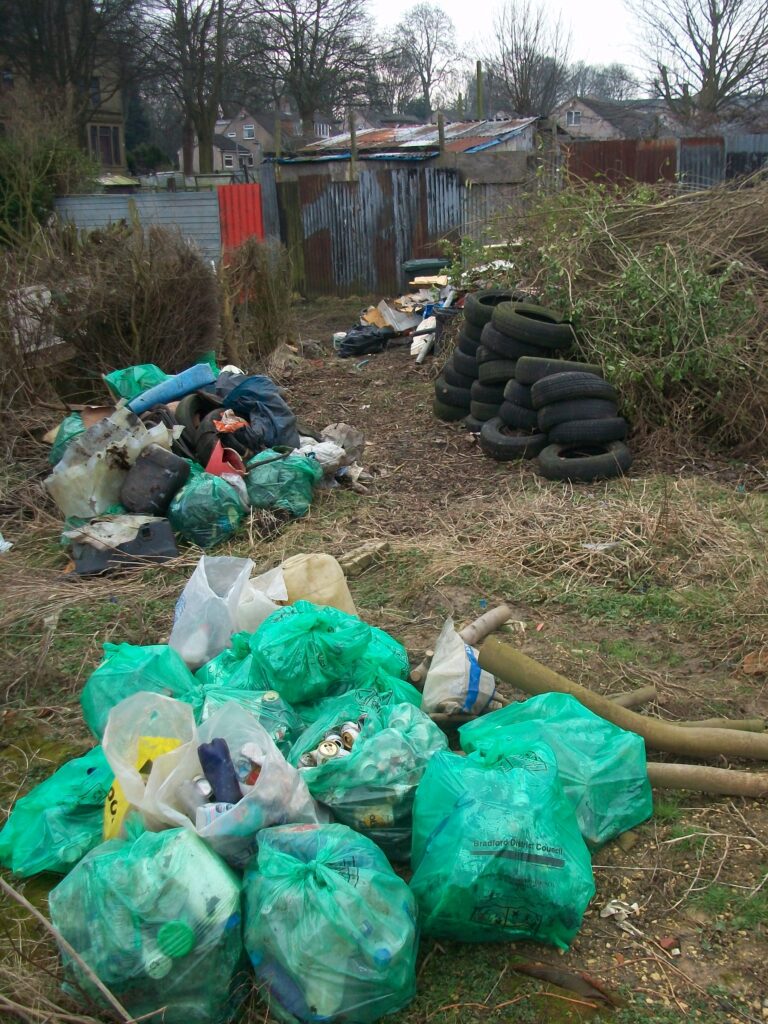
The UK Transition Network organises a well attended event at The University of Bradford inspiring the creation of a ‘Transition Bradford’ group. This small group of volunteers runs environmental awareness raising events. The member with plots at Cecil Avenue shows another member round, prompting surprise at how underused the wider site is. The rich potential chimes with their existing vision of creating a community food growing project and the idea takes hold. Later that year we begin the regeneration by removing rubbish little by little. The full scope of the task is slowly revealed as each cleared patch of brambles exposes burnt out sheds, smashed up greenhouses, allotment junk and fly tipping. A lot of rubbish is buried deep under many years of accumulated soil layers. A couple of particularly bad plots are the result of materials and junk being stored there for a landscaping business.
2009 – Plans form
Permaculture designs are created. More rubbish is removed (40 skips to date!), and the first crops are planted. With a few small grants we are able to coordinate activities and run volunteer days.
2010 – A foothold on site
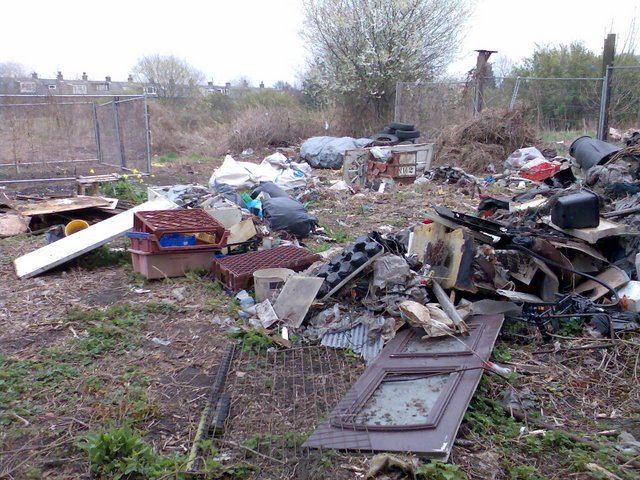
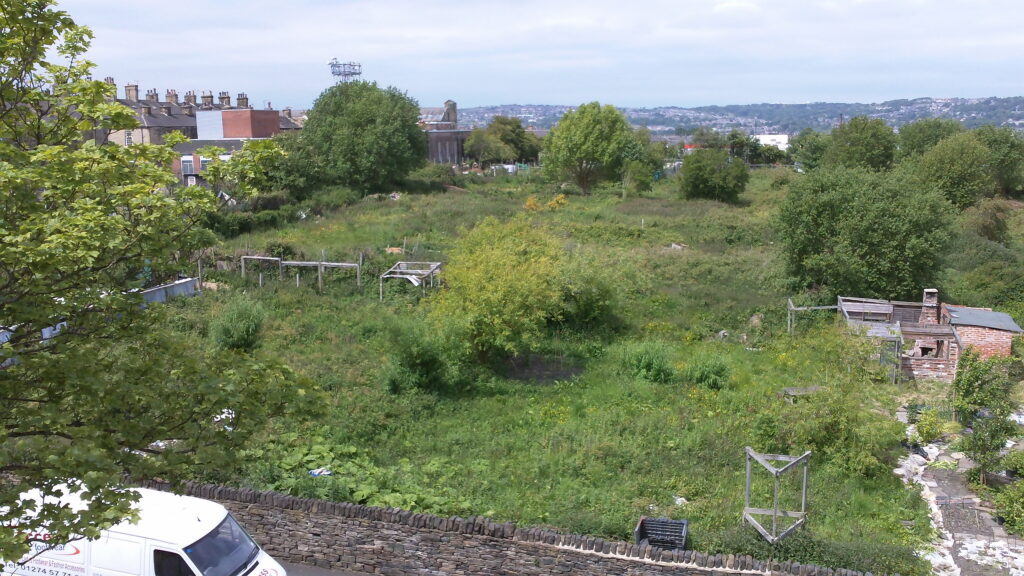
A vandal proof shipping container is installed to provide secure tool storage and a major confidence boost. The photo below, taken from a house on Cecil Avenue, shows the neglected wilderness in 2010 before the transformation really gathered pace.
2011 – First major grant and a 15 year lease
With £76,000 from The Lottery Community Fund’s ‘Local Food’ grant scheme the regeneration gathers pace. Horton Community Farm is registered as a Company Limited by Guarantee, and the council give us a 15 year lease. Large areas are flattened and polytunnels, a fancy compost toilet and another cabin are installed. Four staff are employed. A further £10,000 comes from the Royal Horticulture Society.
2014 – Green therapy
The Social and Therapeutic Garden is built and includes accessible raised beds, a small polytunnel and privacy hedging all the way round.
2016 – Growing Hope, an orchard and kids sessions!
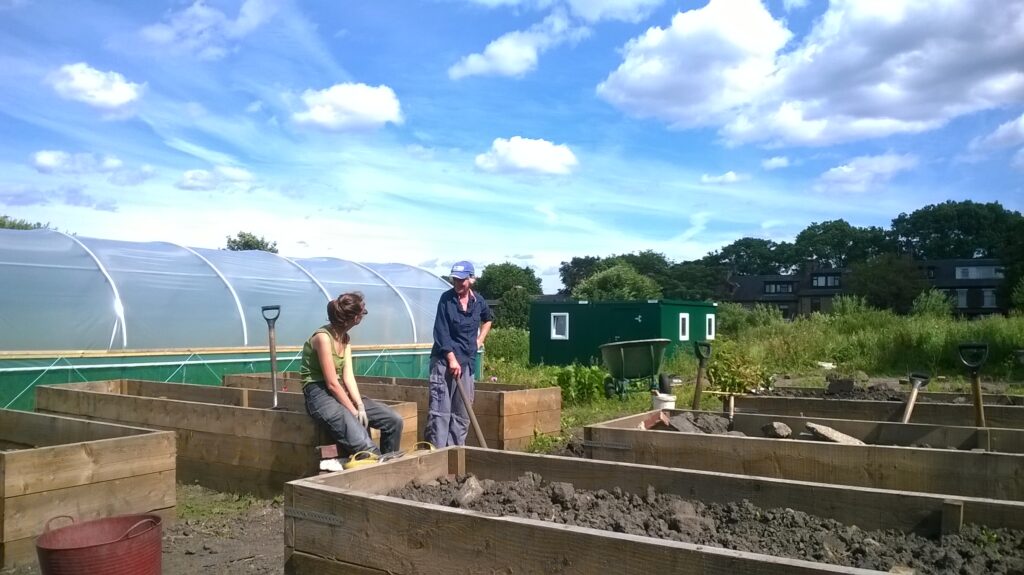
The Growing Hope programme for asylum seekers and refugees is established with £10,000 from The National Lottery.
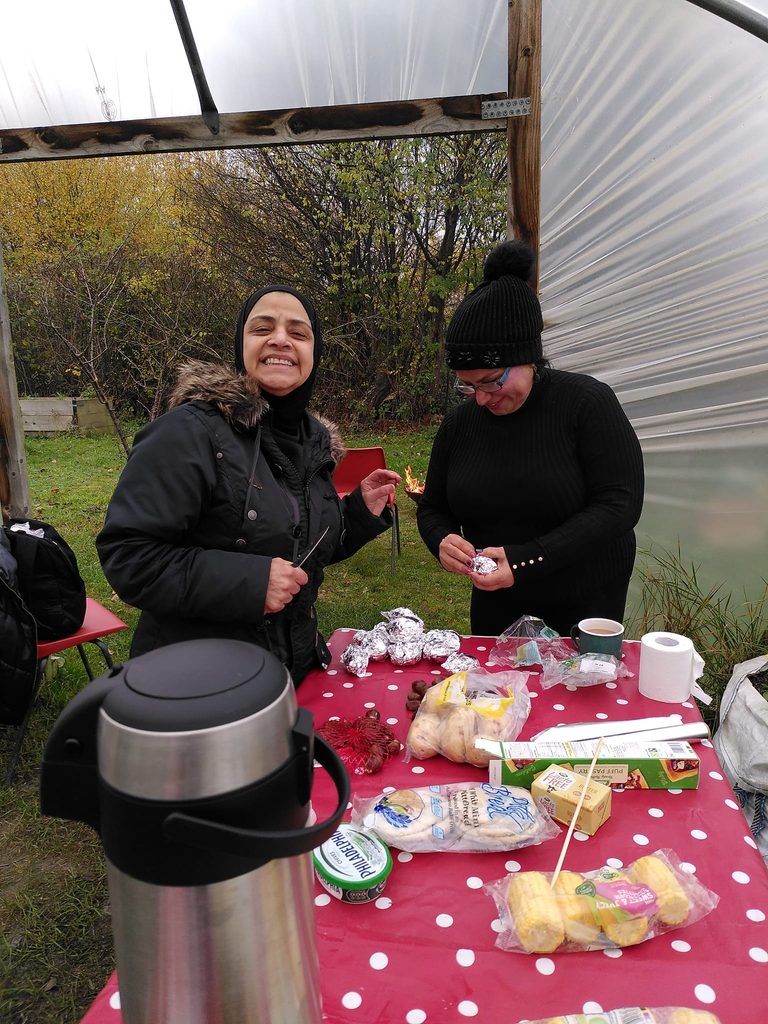
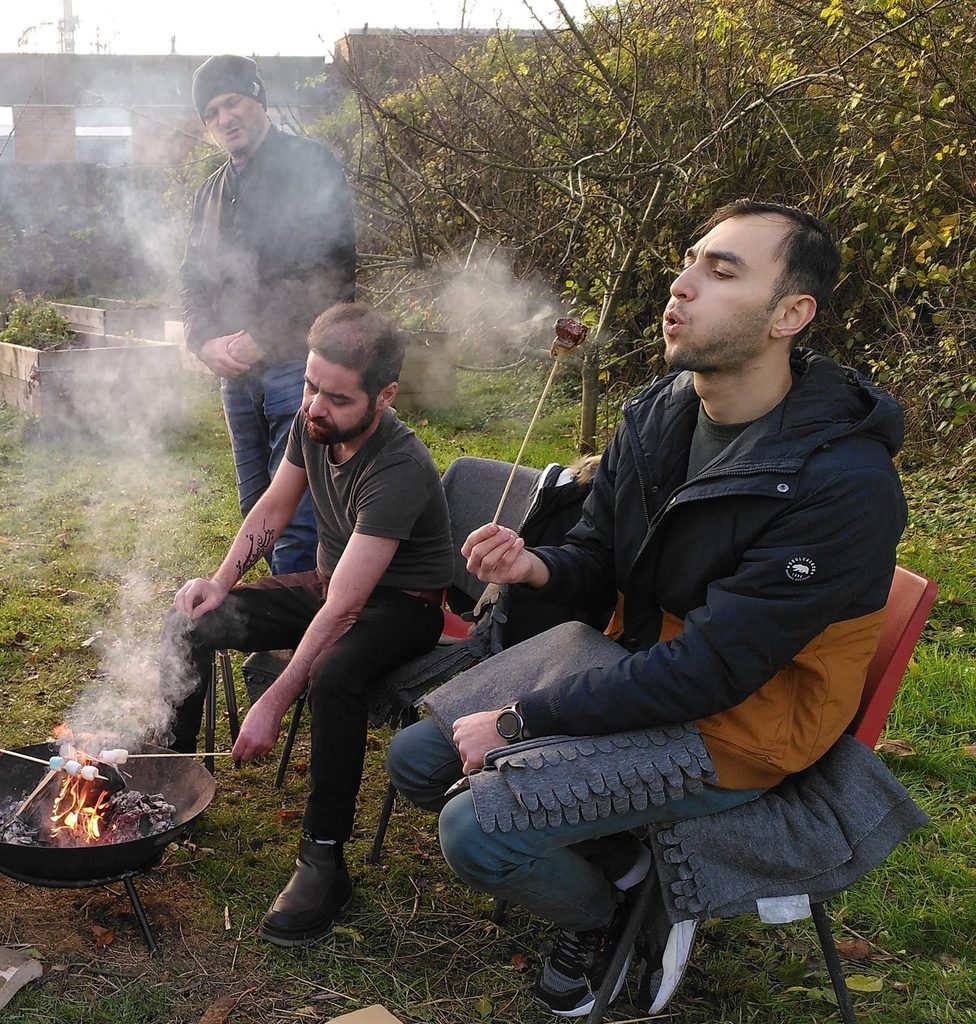
An orchard, with a mix of 35 apples, plums, pears and cherries is planted.
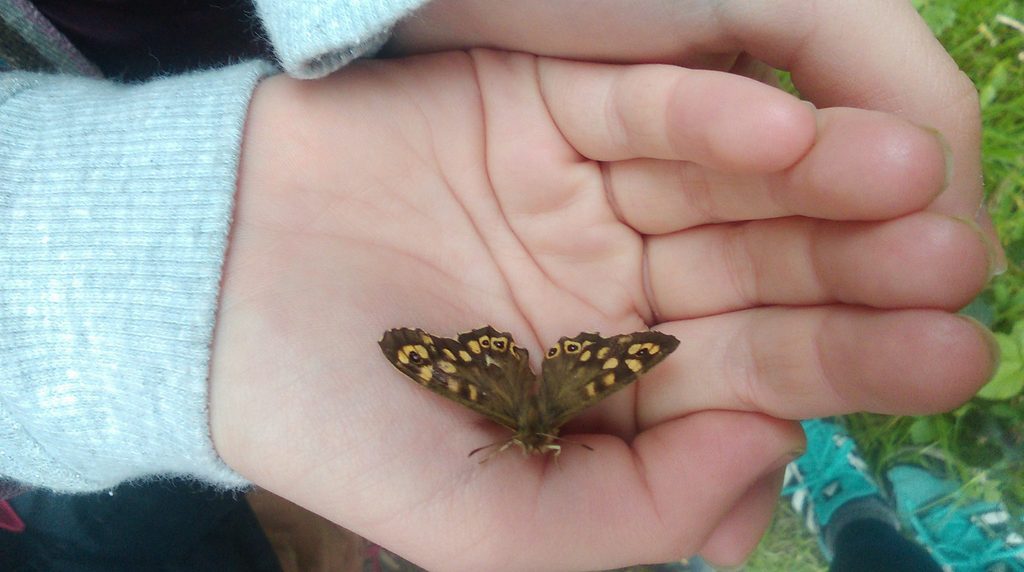
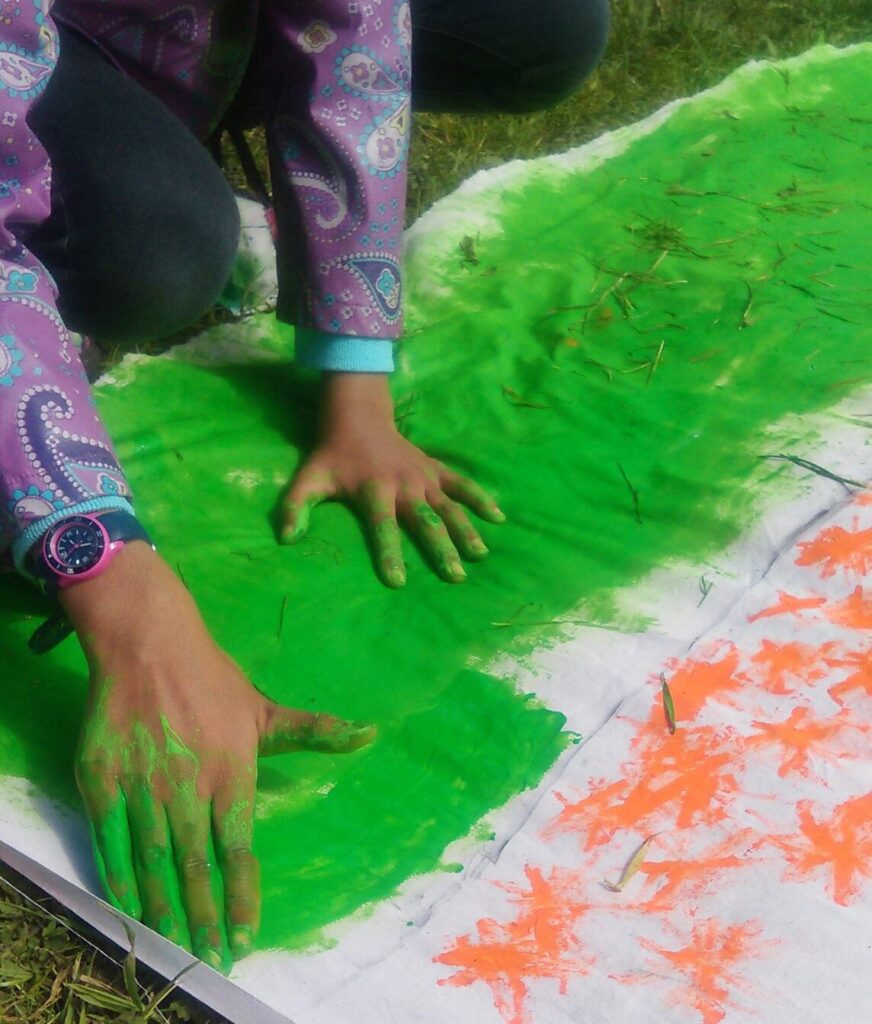
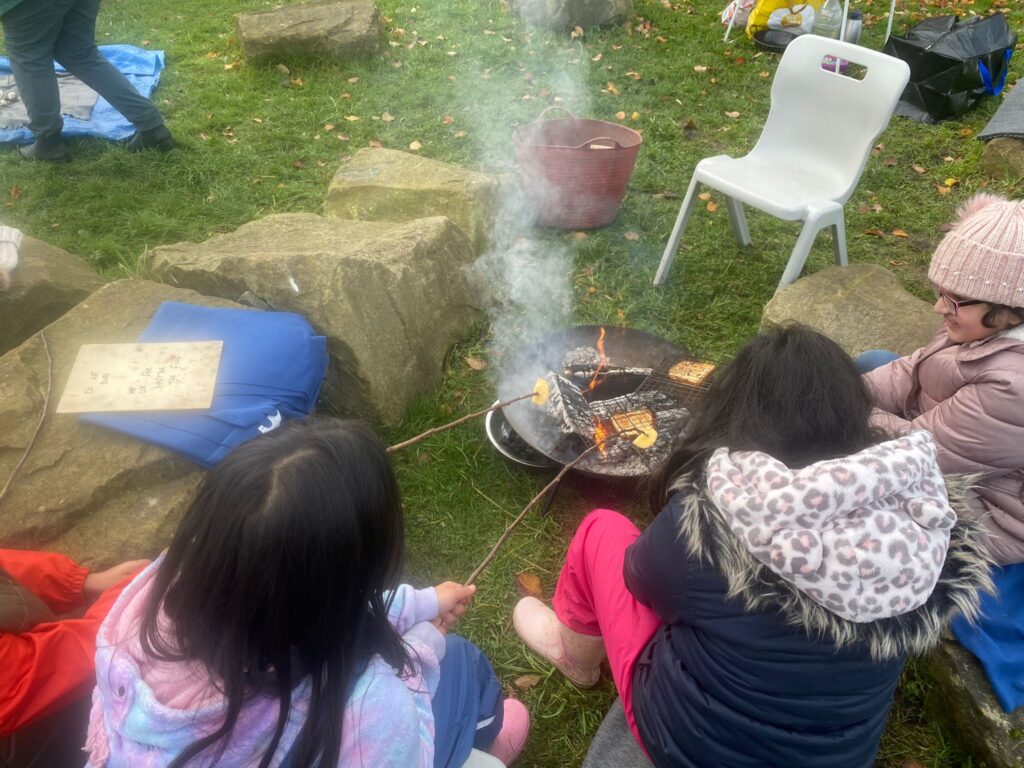
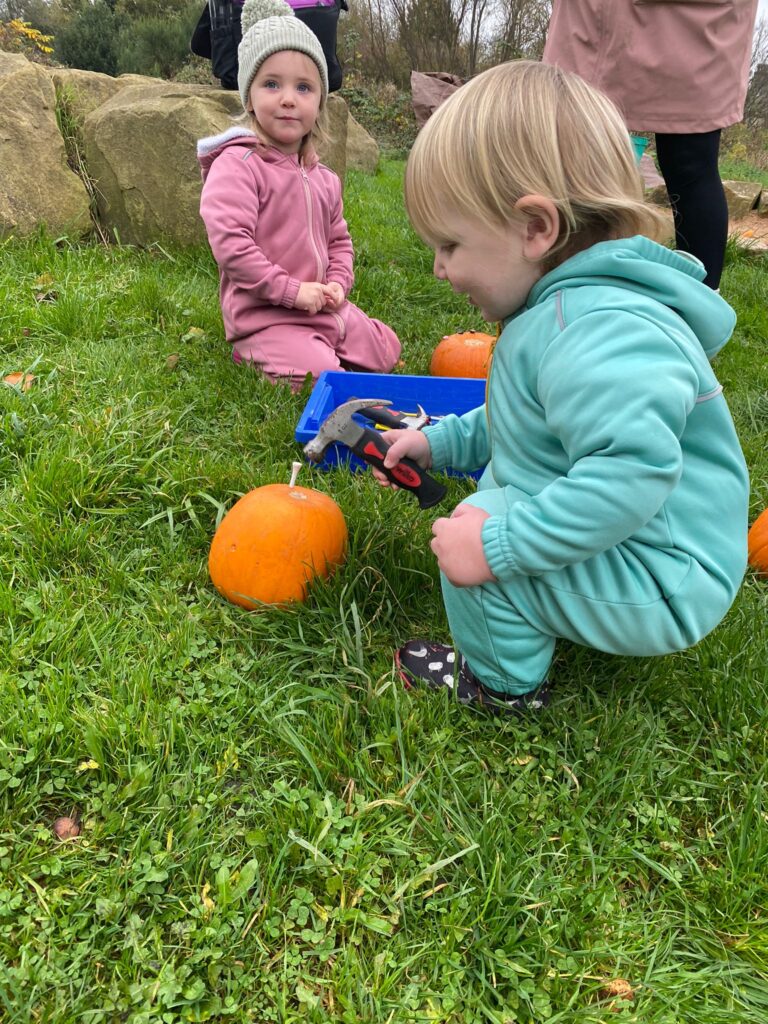
We begin running sessions for children when we can which lays the groundwork for our present day weekly sessions.
2018 – A second shipping container
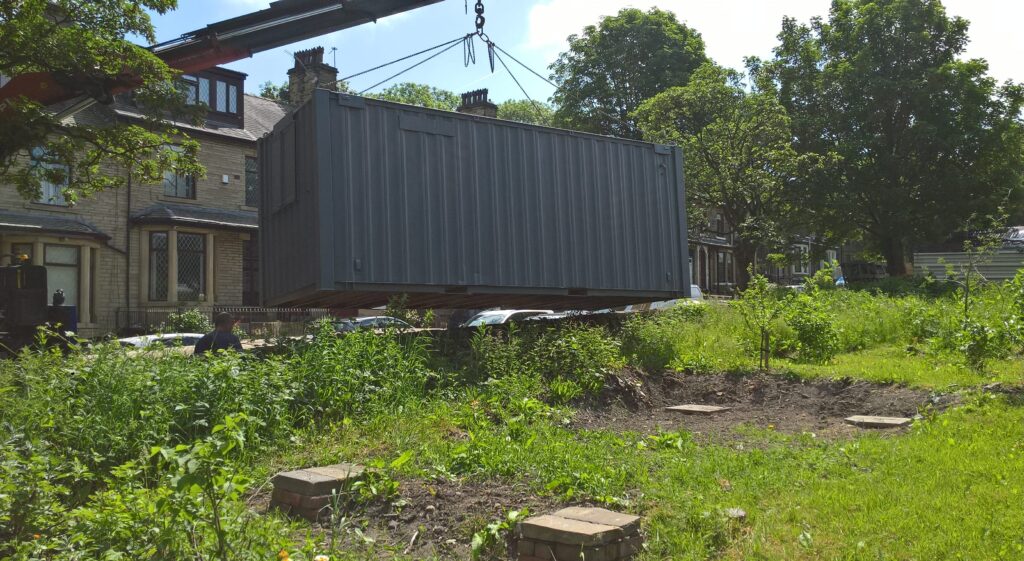
We take delivery of a converted shipping container with windows and pedestrian door to add to our modest collection of cabins. Our intention is to keep it free of junk and use it as workshop space. That doesn’t really play out but it still proves extremely useful!
2019 – The Mindfulness Garden programme begins
A partnership forms with Leeds Mindfulness Co-op and with funding from Bradford Council we begin our free sessions for over 50s and later LGBTQ+ folk to help improve wellbeing through learning mindfulness and taking part in gentle gardening activities. The programme continues to this day.
2020 – A programme for children
A partnership forms with Grow to School, Better Start Bradford and Better Place Bradford, delivering sessions for children on site and at centres across Bradford. We adapt to Covid lockdowns by switching to providing seed packs for families to grow at home.
2020 – More Forest school fun
We run forest school sessions for children in school holidays, thanks to grants from the Holiday Activities and Food Programme, and Betty’s and Taylors.
2022 – Family area expanded
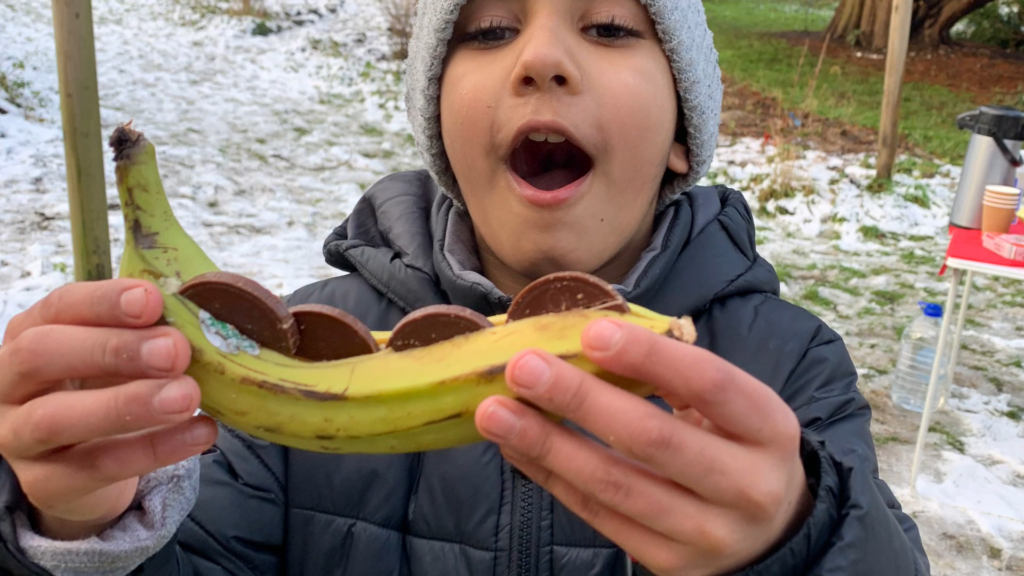
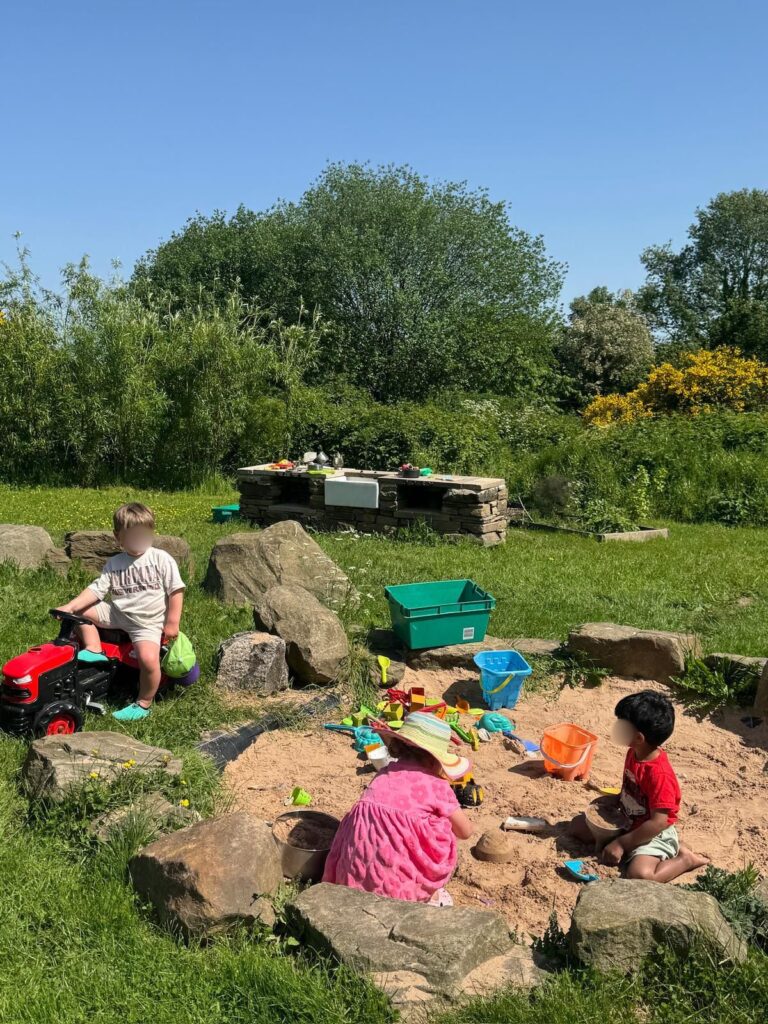
The Family Area receives clambering boulders, parashelter posts and a sand pit. The pond is completed, and wildlife follows, including ducks from Horton Park, dragonflies and newts. The farm is awarded ‘Garden of Sanctuary’ status for it’s work with asylum seekers and refugees.
2023 – Weekly sessions for children and a successful crowdfunder
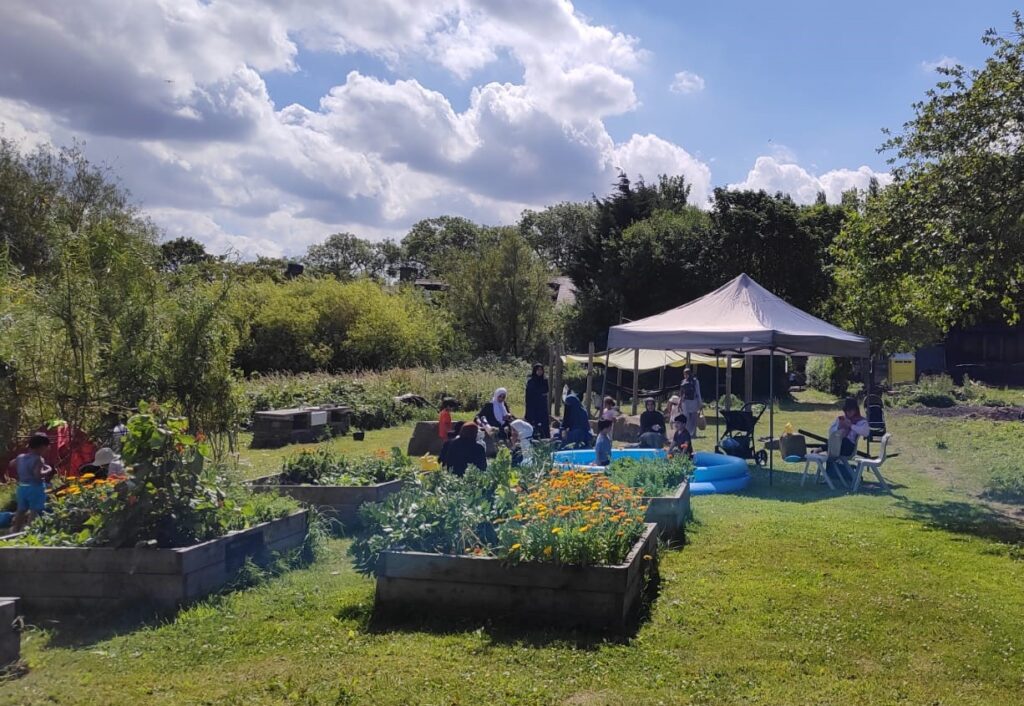
£10,000 from the Lottery’s Awards for All scheme means our children’s sessions become weekly! We also take advantage of a Crowdfunding scheme with double match funding from the WWF and RSPB. The kindness of the public and match funding raises £12,000 towards our volunteer programme allowing steady improvements in the site including better paths in the nature area and restored raised beds. The money also covers an exciting ride-on mower and hedgetrimmer.
2024 – 3 Years of children’s sessions!
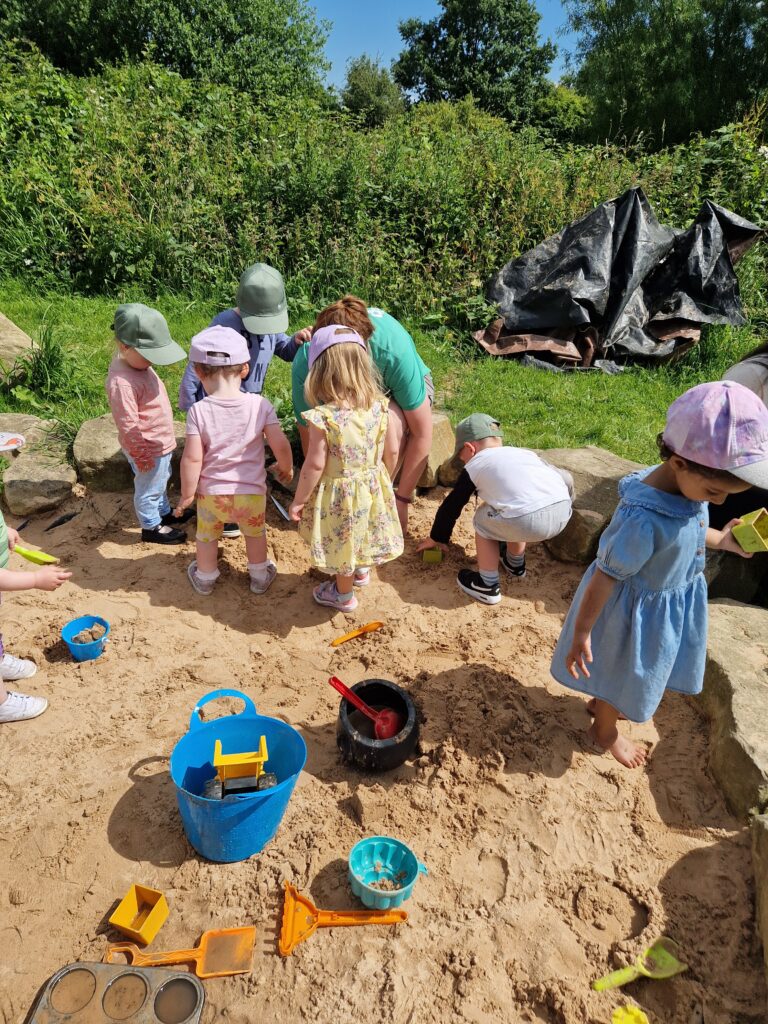
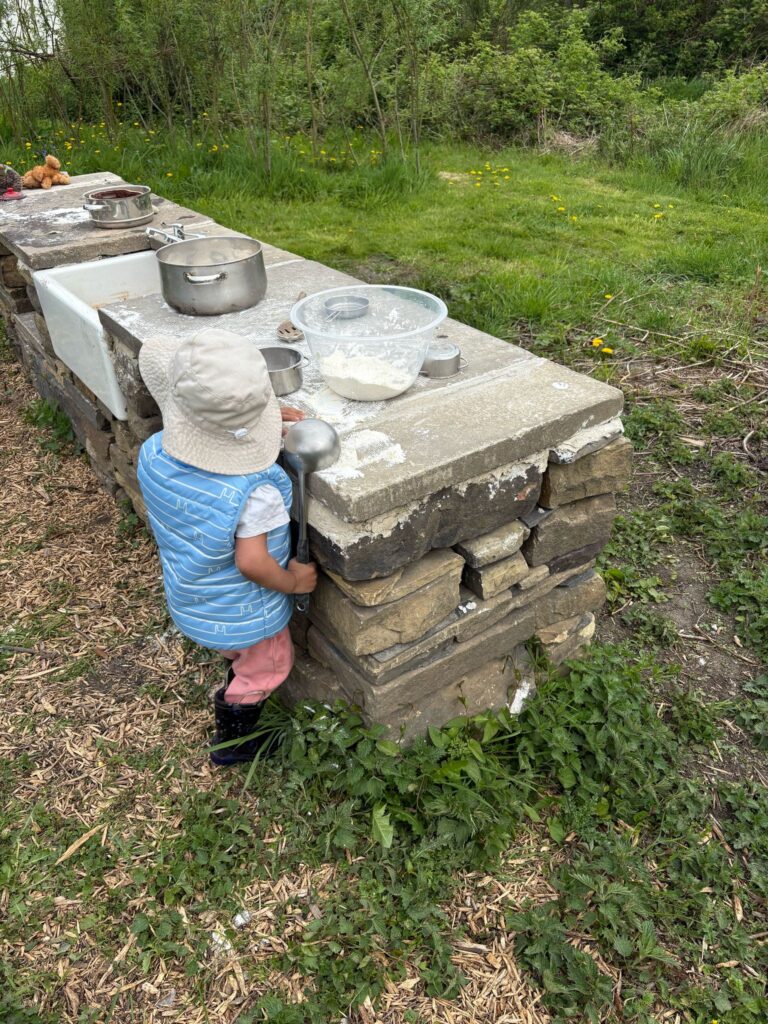
£30,000 a year awarded from The National Lottery allows children’s sessions to run weekly for 3 years! A dry stone wall mud kitchen is constructed from materials salvaged on site including a Belfast sink. This proves very popular with children.
2025 – inclusive Volunteering – Another successful crowdfunder – corporate volunteer days increase
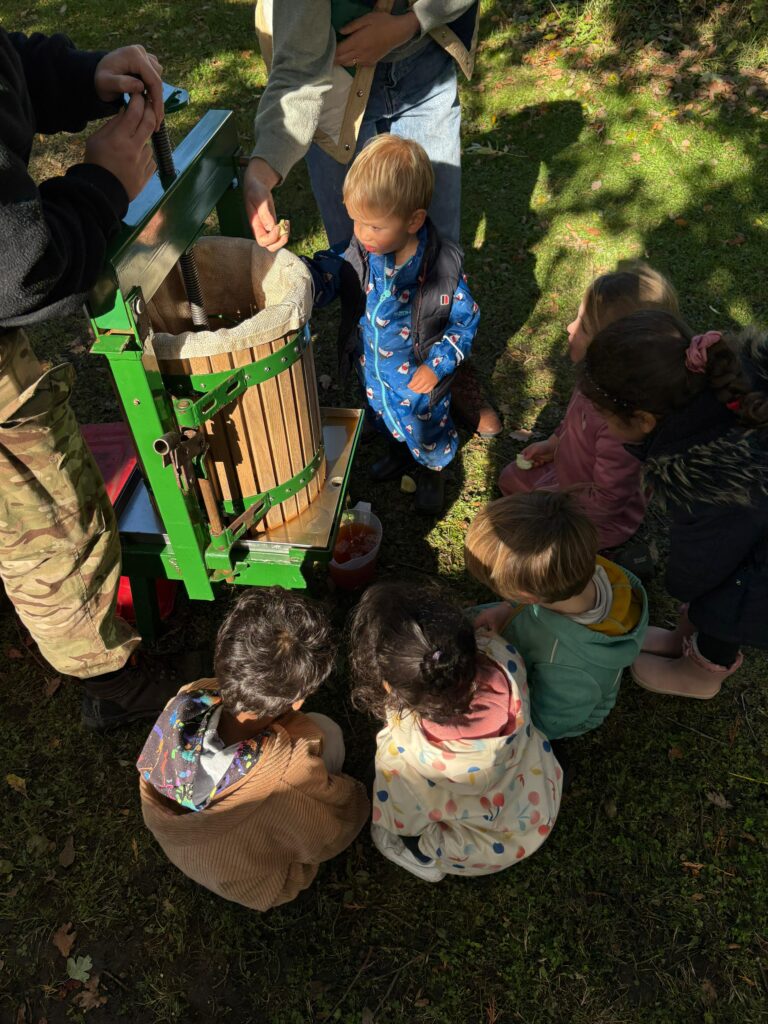
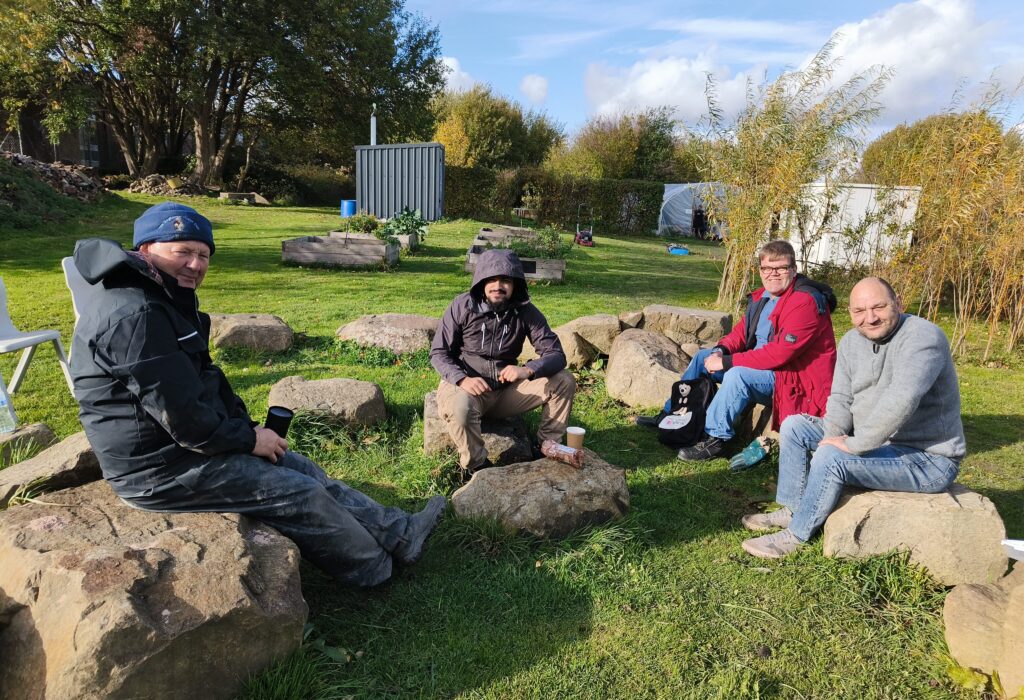
We take advantage of another Crowdfunding scheme matchfunded this time by Aviva Insurance. Once again, the public are incredibly generous and help us meet our target of £8,000 allowing more volunteer opportunities for adults with learning difficulties and sensory impaired folk.
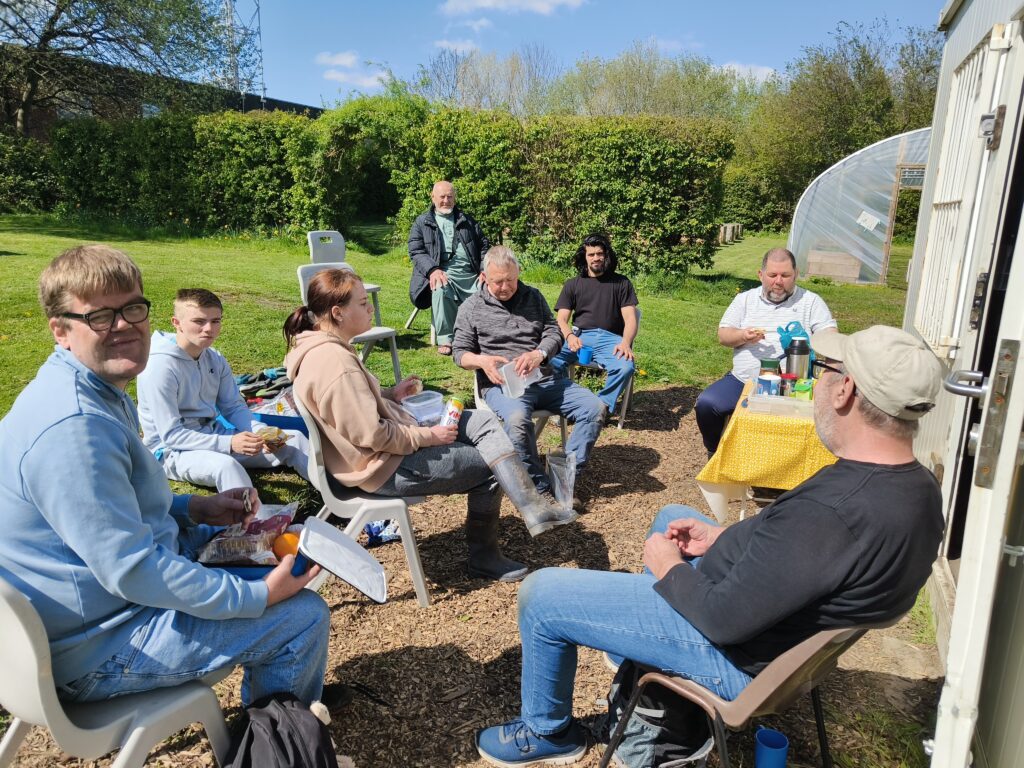
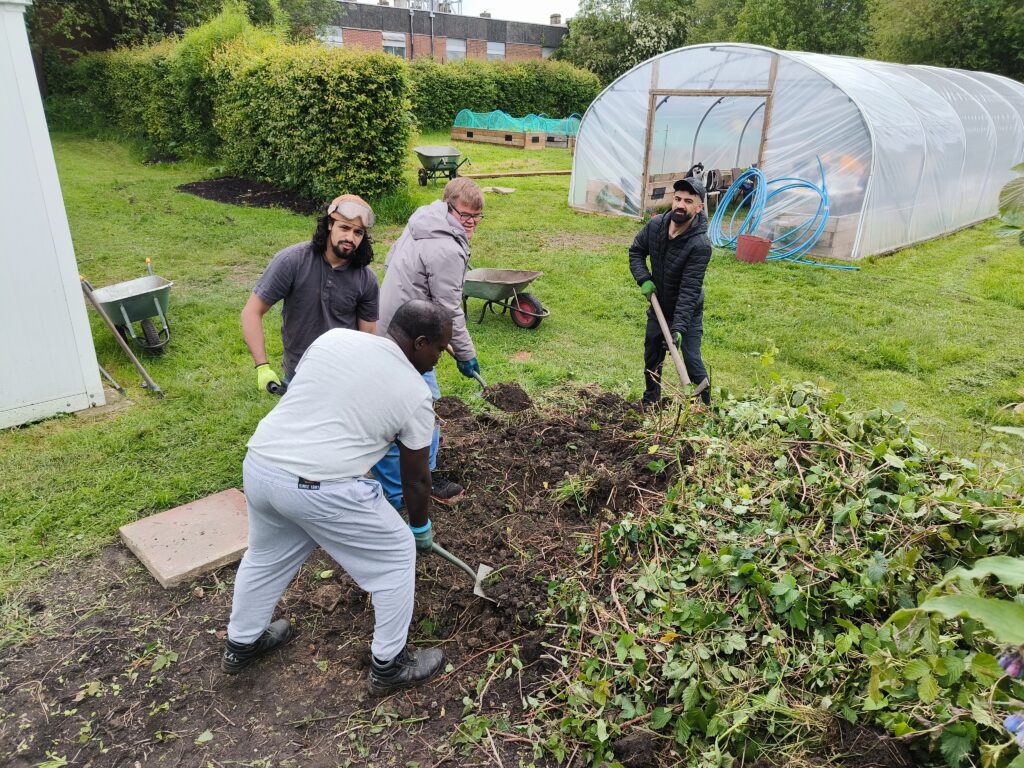
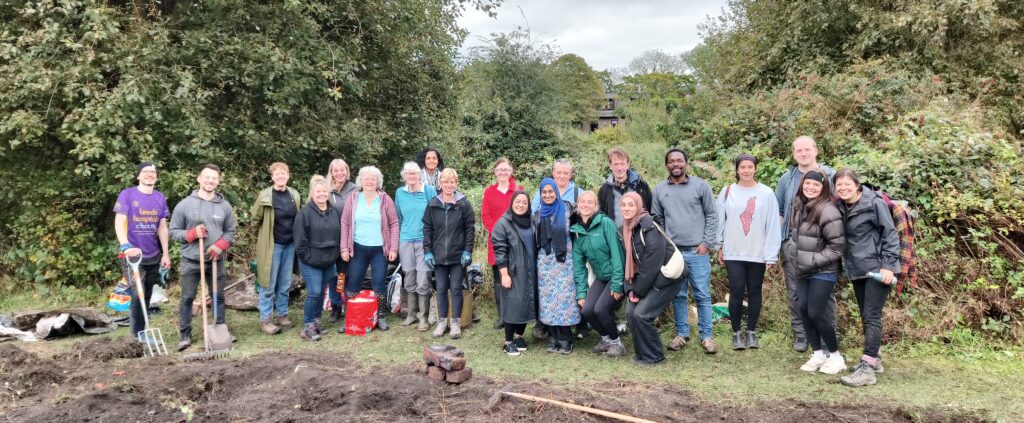
HCF has always run corporate volunteer days for companies with local bases but in 2025 it takes off massively with 13 in total. The benefits are huge as a large team can motor through a whole range of tasks including building raised beds, maintaining paths, weeding and watering. Thanks to Santander who have provided most of these days, along with Liberty Global, Lloyds, Realise Training, the Media Museum and the NHS.
2026 – BIG FUNDING FOR OUR INCLUSIVE VOLUNTEER PROGRAMME
In early 2026 we are overjoyed when 2 large funding bids are successful to continue our efforts to maintain and develop this thriving project. npower Business Solutions Foundation delivers £30k of funding for our Wednesday volunteer programme of conservation and site maintenance and The National Lottery’s Awards for All programme grants £20k to ensure that our Food Growing Fridays can continue. This is a huge boost to our community of volunteers made up of all abilities who make such a massive difference.